
Driving sustainability in rail transport with innovative technology
The future of transportation is electric, and the rail industry is leading the way. As the world increasingly prioritizes sustainability and emission reduction, rail has emerged as the gold standard for eco-friendly mobility. Manufacturers across the globe strive to make often seemingly small but incremental changes to improve performance, efficiency, and environmental stewardship.
The numbers speak for themselves – rail travel and freight account for a mere 1% of transport emissions, a staggering contrast to road traffic (74.5%), aviation (11.6%), and shipping (10.6%).1 This environmental edge is fueling a resurgence in rail's popularity, as passengers and freight operators alike seek out more sustainable mobility options. However, there's still work to be done since challenges such as the high energy consumption and the complex power distribution within trains remain.
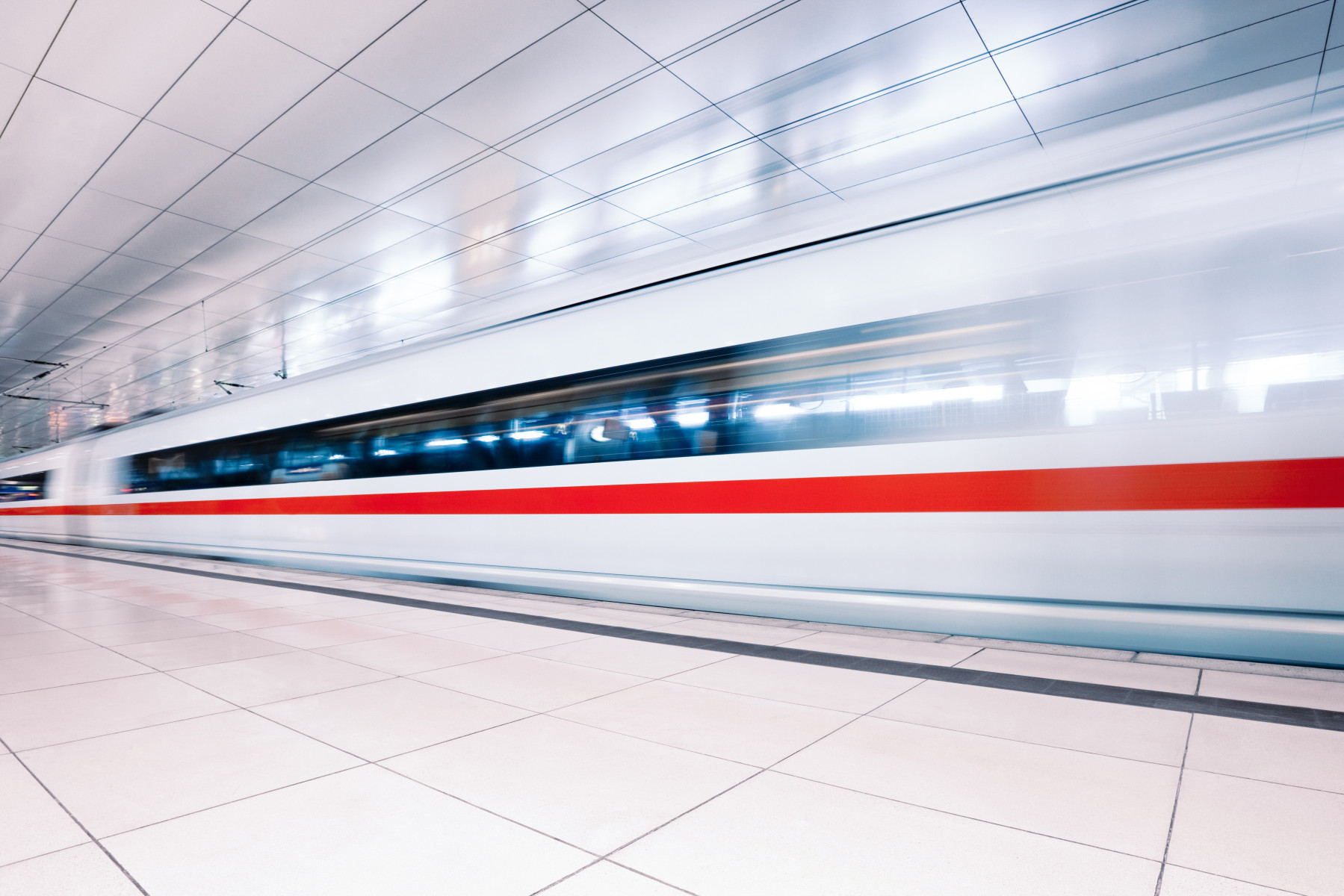 Electrification lies at the heart of sustainability in rail. The industry's global energy mix is shifting, with electricity accounting for more and more of the share . Currently, the International Union of Railways (UIC) estimates that approximately 50% of current global rail energy use comes from electricity.2 This transition, coupled with the integration of renewable energy sources, is a game-changer for emissions reduction.
Despite being comparably small, electromechanical components play their role in the electrification journey Solutions that have less weight, less resistance, consume less power and have a longer lifetime contribute to more energy savings and sustainability at any electrical connection within the train. In addition, advancements in traction motors, power electronics, and control systems are enhancing the performance and efficiency of electric and hybrid trains, expanding their range and capabilities.
The rail industry is also leveraging regenerative braking and energy storage systems to minimize energy waste and boost efficiency. In modern systems, remaining energy loss is mostly the result of friction and electrical resistance. Regenerative braking systems capture and store kinetic energy during braking, which is then converted and reused for accelerating the train or powering onboard systems. Energy storage systems utilize mostly batteries to efficiently manage and store regenerated energy, reducing overall energy consumption and enhancing efficiency.
Electromechanical connectors and contactors also contribute to sustainable rail infrastructures, enabling better power distribution and data/signal transmission with minimal energy losses. Innovative designs and materials contribute to this efficiency, ensuring precision, safety, and reliability in even the harshest operating conditions. Schaltbau’s electromechanical components contribute here by connecting or isolating the flow of energy with minimized losses (e.g.by contact resistance) and safe operation over the full range of demand.
Sustainable Manufacturing: Paving the Way for a Greener Future
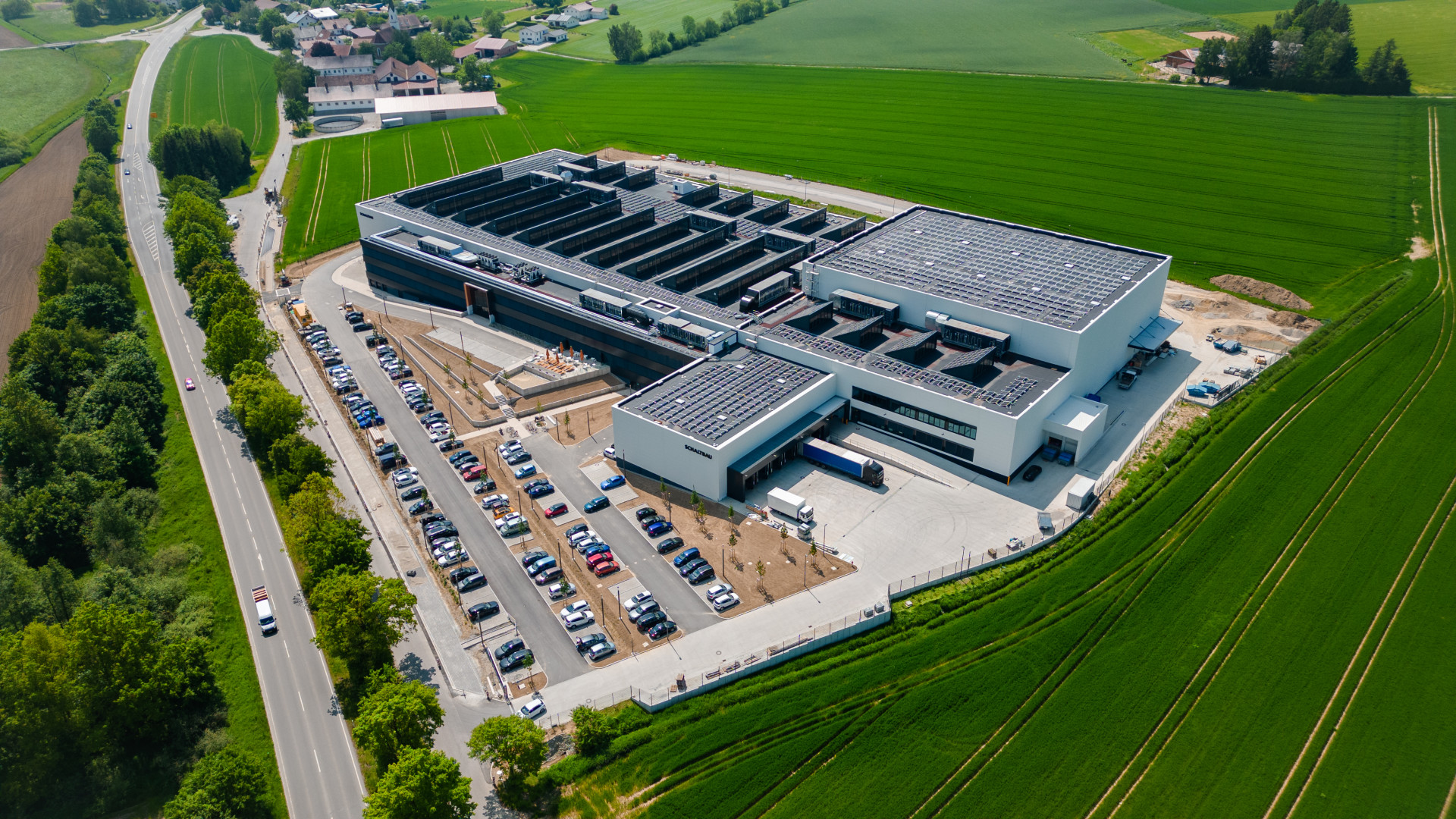 Sustainability in the railway industry extends beyond operations and includes the industry's manufacturing processes. Pioneering companies are leading the way, embracing carbon-neutral factories, recycled materials, and other eco-friendly practices to minimize the environmental impact of rail production. We’re proud that our design and manufacturing processes guarantee precision and efficiency, use recycled materials and reduce environmental impact during production at our NExT Factory in Velden, Germany.
The potential benefits of embracing innovative rail technologies are evident. By diversifying energy sources and providing more efficient mobility, the rail sector can further reduce transport-related emissions and help combat the global climate crisis.3 As the world becomes increasingly conscious of its environmental impact, the rail industry is positioned to play a pivotal role in the transition towards a greener, more sustainable future.
Through the strategic implementation of electrification, energy-efficient infrastructure, smart technology, and sustainable manufacturing, the rail industry can drive this transformative shift. These topics and more will take center-stage at this year’s upcoming InnoTrans, the leading international trade fair for transport technology, taking place in Berlin on Sep 24-27.
Join us there to learn more about how the latest advancements in electromechanical components can power the future of sustainable rail. Our team will be on hand to showcase our innovative products and solutions. We look forward to connecting with you there!
References:
1. Ritchie, H. (6. Oktober 2020). CO2-Emissionen aus dem Verkehr, 1990-2018. Unsere Welt in Daten. https://ourworldindata.org/co2-emissions-from-transport
2. Internationaler Eisenbahnverband (UIC). (2022). Global Rail Sustainability Reportr 2022 (S. 23). https://uic.org/IMG/pdf/global-rail-sustainability-report-2022.pdf
3. Internationale Energieagentur (IEA). (30. Januar 2019). Railways could provide much greater benefits for energy and the environment, according to IEA report. https://www.iea.org/news/railways-could-provide-much-greater-benefits-for-energy-and-the-environment-according-to-iea-report