
How innovations in bidirectional contactors are shaping the future of Energy Storage Systems (ESS)
As global demand for renewable energy continues to rise, the need for efficient, reliable, and scalable Energy Storage Systems (ESS) become even more critical. These systems play a crucial role in managing intermittent renewable energy sources like solar and wind and ensuring a stable energy supply. As ESS grow in size and complexity, the components supporting them, particularly the contactor, must evolve to meet new challenges. The contactor is key to controlling the flow of electricity and ensuring the safe operation of ESS.
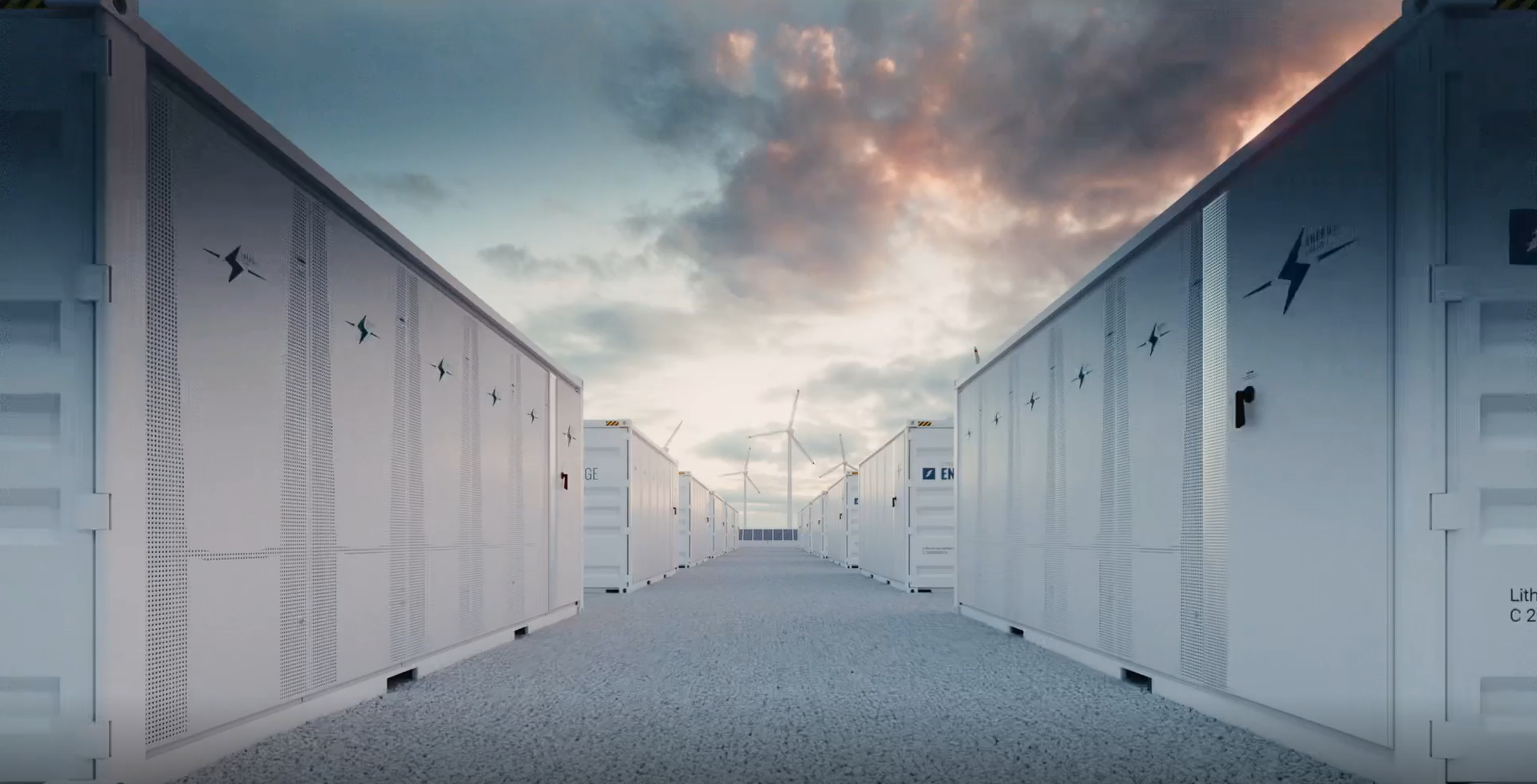
Governments, industries, and consumers are increasingly adopting renewable energy sources such as wind and solar. However, the intermittent nature of these sources, where energy generation fluctuates based on weather conditions, presents significant challenges for grid operators. ESS help mitigate these challenges by storing excess energy generated during peak production and releasing it when demand outpaces supply. As demand increases, ESS are becoming integral to energy management. But with this growth comes the need for systems capable of handling larger energy capacities, scaling effectively, and ensuring safety during operation—requirements that demand the highest standards of performance and reliability from every ESS component, including the contactor.
Contactor Technology: Essential to ESS Operation
Contactor technology is critical in ESS and contribute to overall safety and efficiency in many ways. They manage the flow of power between the grid and storage units by connecting and disconnecting strings and inverters as needed. In the OFF position, the contactor ensures safety by reliably galvanic isolating high-voltage circuits. This prevents electrical hazards to personnel and protects equipment from damage. In the ON position with extremely low ohmic resistance, the contactor efficiently handles high currents, ensuring smooth and reliable operation. In addition to these tasks, contactors provide fault protection by isolating faulty components during overcurrent, preventing damage and maintaining system safety.
To ensure long-term reliability, modern contactors are built with durability in mind. They use high-performing materials like silver-tin-oxide alloys to avoid contact-welding under system failure conditions and improve the Mean Time Between Failures (MTBF), minimizing downtime and maintenance while optimizing ESS performance.
Modern contactors are engineered to meet the increasing demands of energy storage systems. Below are the key features that ensure optimal performance and reliability in high-power applications:
1. High Current and Voltage Capacity
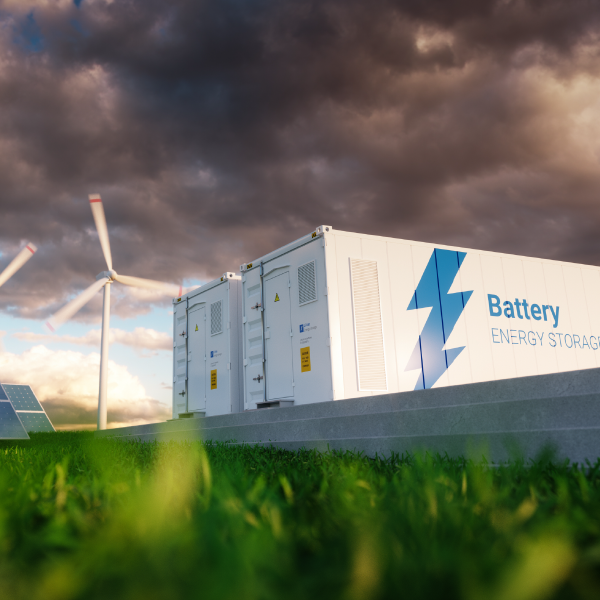 Modern contactors are designed to handle substantial current and voltage loads, making them crucial for large-scale ESS applications. The C303 contactor, for example, is tailored for high-performance ESS, managing DC power with a maximum switching voltage of 1500V and continuous current handling up to 500A or more under certain conditions. Its bi-directional switching capability ensures reliable operation during both charging and discharging cycles. To withstand these conditions, contactors must have high interrupting capacities to manage overcurrent without failure. Arc-resistant silver alloy contacts and robust construction further enhance durability and performance in demanding high-power environments.
2. Thermal Management and Contact Materials
Efficient thermal management is critical for preventing overheating in high-power applications, where high currents generate significant heat. Contact materials such as silver-tin-oxide offer high thermal conductivity and resistance to oxidation, ensuring reliable performance over time. The C303, for example, uses arc-resistant silver-tin-oxide alloys to minimize contact resistance and reduce heat generation, maintaining long-term reliability.
3. Compact and Space-Efficient Design
As ESS installations become more compact, modern contactors are designed to maximize space efficiency. The C303 contactor features a compact form factor, allowing it to fit into smaller enclosures without compromising performance or safety. This space-efficient design makes it ideal for applications where space is at a premium. Its ability to integrate seamlessly into high-density energy storage systems further underscores its versatility.
By combining high current capacity, efficient thermal management, reliable switching, robust open-air design, and a compact design, modern contactors like the C303 offer reliable, cost-effective solutions for the evolving needs of ESS. These features are essential for minimizing downtime, reducing energy losses, and ensuring long-term system efficiency. The extended service life, low maintenance requirements, and high performance make modern contactors a critical component for achieving optimal performance and long-term reliability in ESS.
The Future of Contactor Technology in ESS
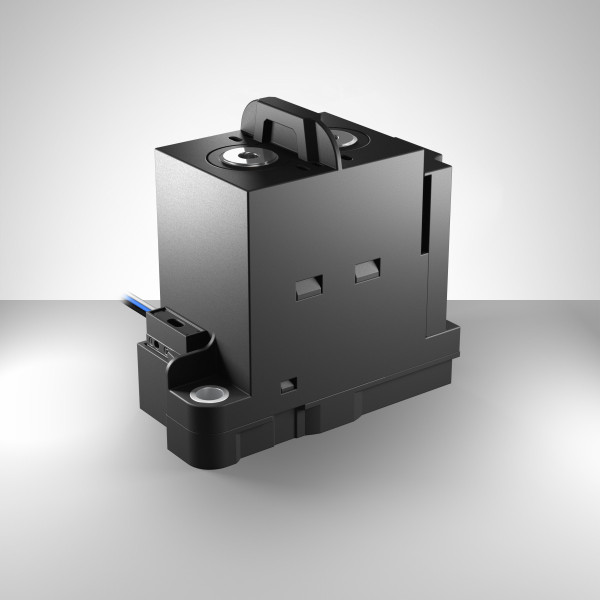 The future of ESS will be shaped by ongoing innovations in contactor technology. Advancements in design, materials, and integration with emerging technologies—such as sensor integration and communication—will enable contactors to handle higher power capacities, improve thermal management, and increase energy efficiency. These developments will ensure that ESS remain sustainable and capable of meeting the demands of a renewable-powered future.
Modern contactors already provide features like high current capacity, reliable switching, and exceptional durability. As ESS continue to grow in importance, selecting advanced contactor technology will be critical for maximizing efficiency, reliability, and long-term safety in energy systems. Additionally, AI and sensing technologies are enabling predictive maintenance and smart energy management, which will enhance the performance of ESS by proactively addressing issues before they lead to failure.