
Mining in the age of electrification: How advanced DC technology is transforming off-road e-mobility
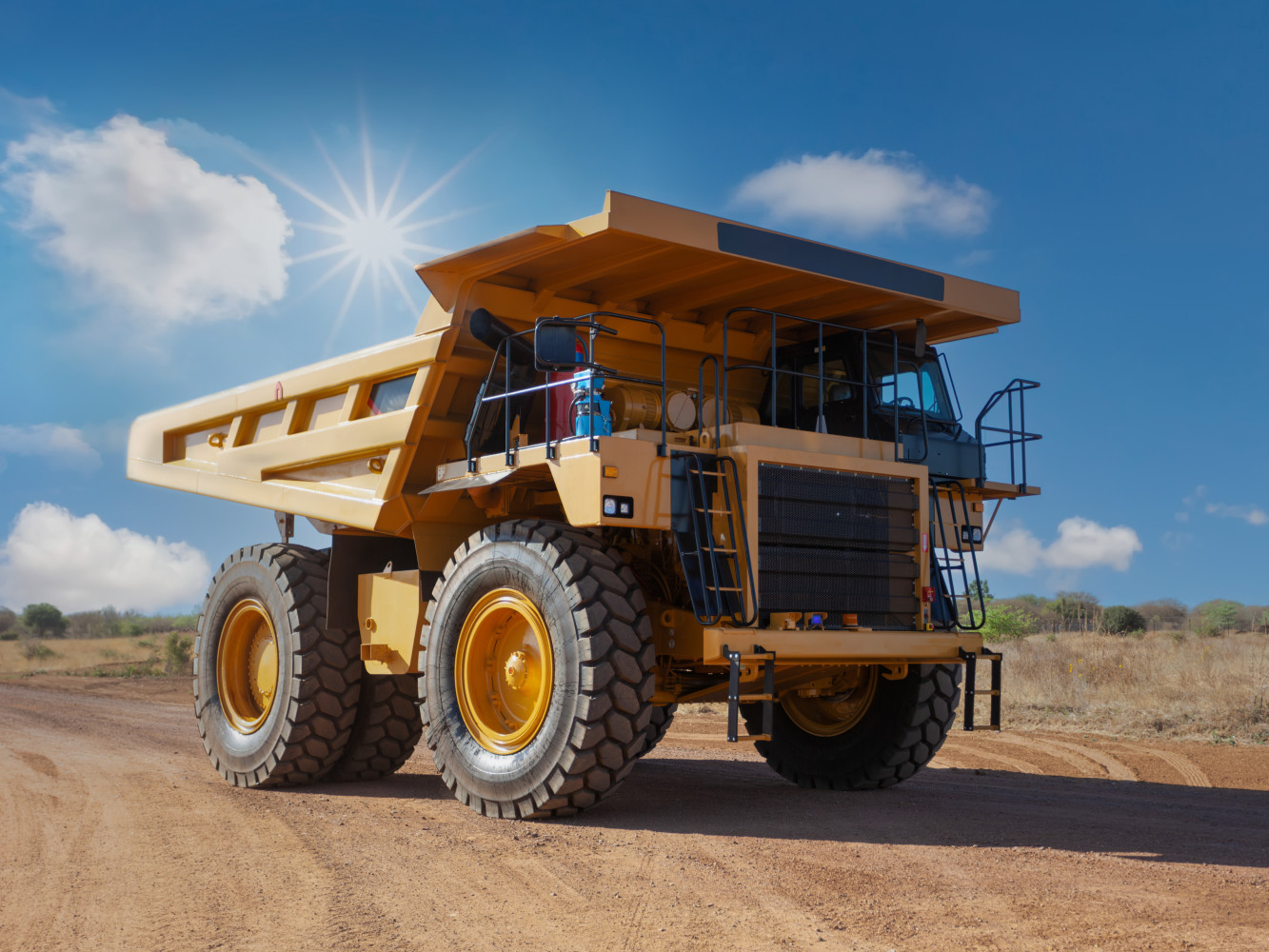
Electric cars, buses and trucks have become a much more common sight over recent years. However, when it comes to off road equipment and robust machinery used in construction or mining, diesel-power is still the most common drive technology. While in the late 19th century, mining operations had started to embrace electricity as a more efficient and safer alternative to coal-powered steam engines, diesel engines soon took a stronghold due to the mobility, flexibility, and efficiency they offered. In 2021, diesel-powered vehicles still accounted for a whopping 46% of a total mine’s energy consumption.[1]
Today, the mining industry, estimated to be responsible for between two and three percent of global CO2 emissions, plays a particular role in the transition to a net-zero economy which harnesses the benefits of (renewable energy) electrification. Seen as one of the most energy-intensive industries, the sector will likely need to reduce at least 85% of its emissions by 2050, according to McKinsey[2], and is considered to be challenging to decarbonize. Downstream consumers of metals, investors and governments alike, however, expect the industry to deliver against its sustainability (and electrification) goals.
Mining: Powering the energy transition
On the other hand, a productive mining industry that is not only sustaining but significantly increasing its output is critical for a carbon-neutral future. Cellphones, batteries, charging infrastructure, wind turbines and more all depend on mined ores. Lithium production, key component of modern battery technology, for instance, is expected to increase at a compound annual growth rate of almost 14% until the end of this decade, according to GlobalData’s commodity production forecast, and may not even be able to keep up with increasing demand.[3]
As a result, mining companies are tackling the double challenge of decarbonizing their operations while maintaining their productivity head-on. Direct current technology and advanced electrical components play a key role, regardless of the strategies mining companies deploy to minimize their Scope 1 (resulting directly from their operations) or Scope 2 (resulting from the energy being purchased or produced by mining companies) emissions. Since it is typically faster and more cost-effective, most mining companies currently tend to focus on Scope 2 in the short-term and have signed power purchase agreements (PPAs) with renewable energy providers or are beginning to install wind and solar farms and the respective DC grid infrastructure directly on-site.
However, the long-term sustainability goals of most mining companies require significant reductions in both Scope 1 and 2 emissions, often with parallel strategies to address each. As a result, more and more electrification technologies for heavy-duty equipment have become viable, requiring advanced electromechanical components to fulfill the specific requirements of open-pit and underground mining.
Benefits of mining electrification
Original equipment manufacturers are starting to offer electric haulage trucks, underground electric vehicles (which eliminate the need for exhaustive ventilation systems), transport and systems and auxiliary machinery due to the advancements in battery energy density, charging speeds and battery longevity. Since charging infrastructure for electric or hybrid-electric hauling trucks is also advancing, mining companies are increasingly tapping into the benefits of electrified equipment, such as lower maintenance costs and operational improvements such as steeper ram designs, lower stripping ratios and less frequent breakdowns. According to McKinsey, a fully electrified mine with renewable power sources could also have a 60 to 80% lower carbon-footprint (avoiding carbon taxes and/or green-product premiums) and less air pollution below and above the ground.[4]
Additionally, operational expenditure gains are significant: Electrification could reduce energy costs by as much as 40 to 70% and reduce maintenance costs for mobile equipment by approximately 30%.[5] Recent IDTechEx analysis highlights that a single, 150-tonne diesel haul truck, for instance, will require over USD 850,000 per year in fuel, and electrification could save over USD 5.5 million in energy alone over the vehicle’s lifespan. Consequently, the electric mining market is predicted to boom: It is expected to stand at more than USD 23bn by 2044, increasing at a 32% compound annual growth rate.[6]
“If you can’t stand the heat, …”
Electromechanical components used in electric off road mining fleets must provide performance, reliability and safety features literally “off the beaten track”. Open-pit and underground mining require equipment systems handling high voltages and currents and can operate in extreme environmental conditions at the same time – from dusty and dirty environments, providing high shock and vibration resistance and tolerating temperatures ranging from -50 to +50 degrees Celsius. Likewise, safety is paramount in mining: Contactors with arc-quenching capabilities prevent electrical faults, reducing the risk of fires and equipment damage.
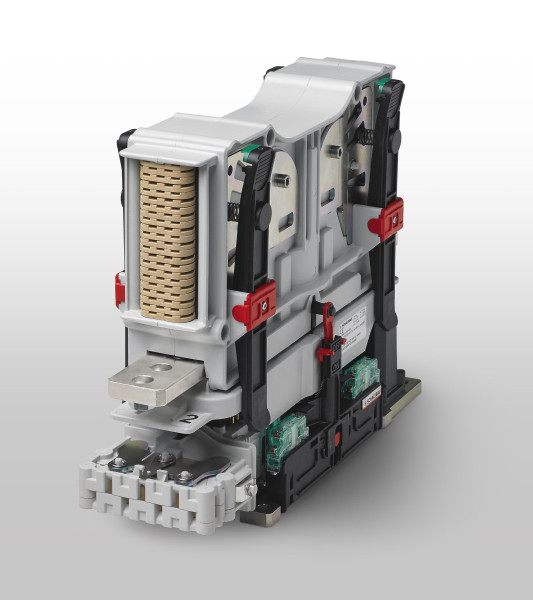 The Eddicy CP contactor series for electric mining trucks as well as the C320 contactors for other surface- and underground mining equipment deliver proven robustness and high safety, even in failure conditions. They switch and protect the high voltage circuits required by mining equipment, ensuring uninterrupted operations. The direct current arc-handling is done exclusively by permanent-magnetic blowout. This patented technology ensures fully bi-directional breaking capability, meaning that loads can be switched regardless of whether the equipment is charging or discharging.
Apart from safety, operational availability is a key metric for mining operators: In light of the significant (financial) implications of truck downtime, operators strive for operational availability of 90 percent and higher. By enabling the toolless inspection of the main contact tips as well as the toolless replacement of the arc chamber, the CP contactor series already contributes to achieving high availability goals by longer up-times and less replacements. In addition, the series is ready to meet the requirements of the upcoming Megawatt Charging System (MCS) developed for large battery electric vehicles, namely, compatibility with up to 1,250 volts and 3,000 amps. Last but not least, by reducing dimensions and weight and because of its modular design, the high-power CP contactors allow for various configurations, catering to a wide range of applications within the mining sector.
Sophisticated energy management a prerequisite for a sustainable mining future
Electrifying the mining industry will be no easy feat. Technological limitations, high investments, and logistical complexities especially in remote mining areas still pose barriers to electrification. Moving away from diesel to (renewable) energy will require a sophisticated energy management at mines to fulfill the surged need for electricity (and rapid charging): Calculations have shown that a sample open-pit iron ore mine which replaces its 27 diesel haul trucks as well as corresponding loading and auxiliary equipment with electric powered versions could see its electricity demand double.[7]
Mining operations investing into direct current technology, such as upgraded electric-grid connections, microgrids combining renewables with battery storage to achieve off-grid power, (megawatt) charging infrastructure, while introducing electric haul trucks and auxiliary equipment, will be able to control their costs and reduce their carbon footprint while maintaining the productivity levels necessary for the global energy transition towards carbon-neutrality.
Learn more about our solutions and how we can support your electrification goals here.
REFERENCES
[1] CEEC International: Coalition for Minerals Efficiency, Mining Energy Consumption 2021, MINING ENERGY CONSUMPTION 2021 - CEEC (Coalition for Eco Efficient Comminution)
[2] McKinsey, Climate risk and decarbonization: What every mining CEO needs to know, 2020.
[3] Mine, “2024 in data: the trends that shaped the mining industry”, Issue 148, 2025.
[4] McKinsey, Mining electrification could double their electricity demand, 2023.
[5] Ibid.
[6] State of Play, Powering the Future: The Electrification Evolution in Mining, 2024.
[7] McKinsey, Mining electrification could double their electricity demand, 2023.