
Future-proofing industry: how DC microgrids are changing manufacturing as we know it
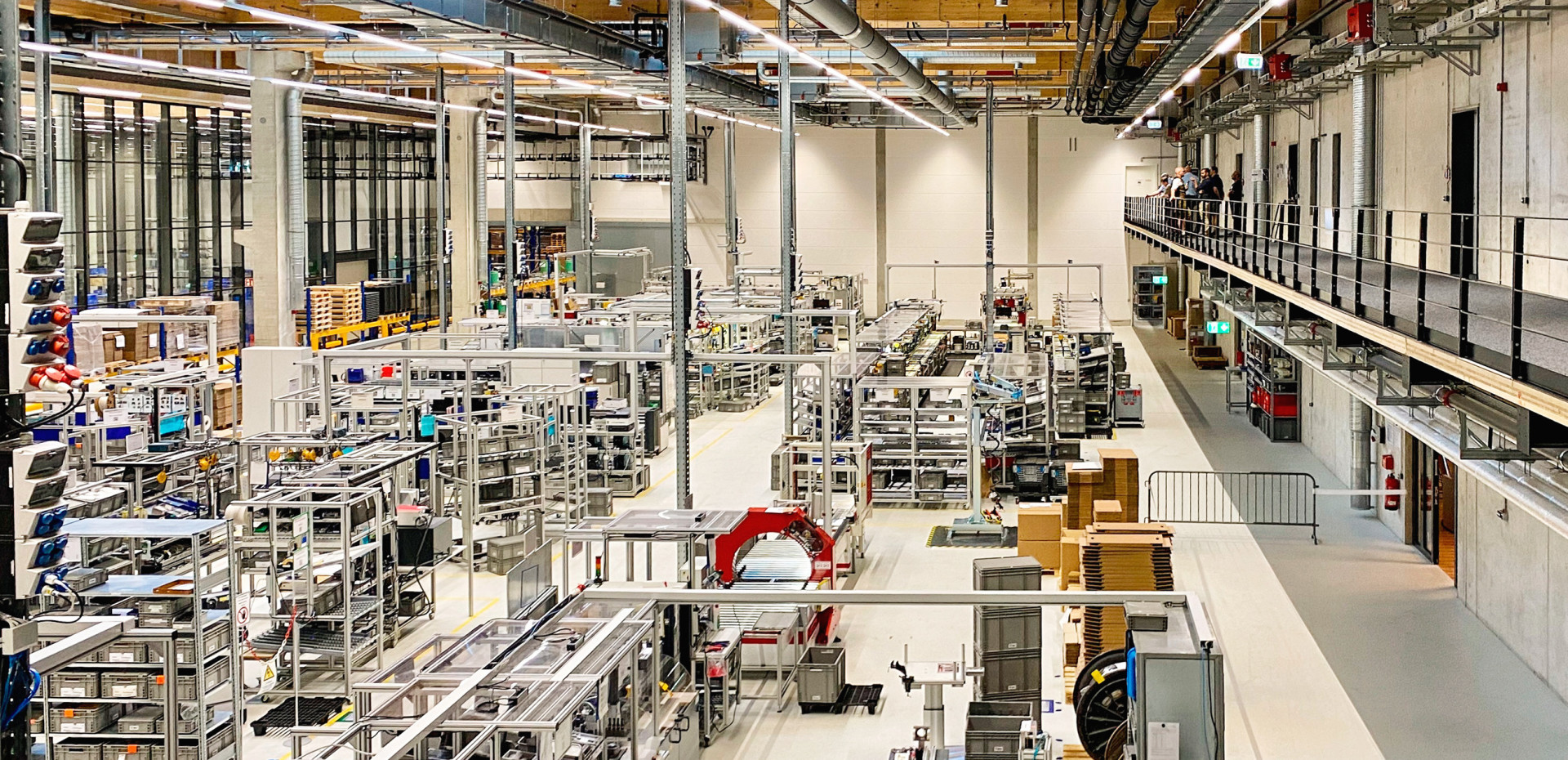
With energy efficiency and sustainability at the forefront of everyone’s mind, industries are seeking innovative solutions for their manufacturing needs. The emphasis on optimizing energy consumption and reducing carbon footprints becomes more and more pressing. As the global community rallies behind initiatives to combat climate change and foster sustainable development, industries are tasked to rethink their operational frameworks and integrate new technologies that prioritize environmental responsibility without compromising productivity. So how can we do that? Two words: direct current.
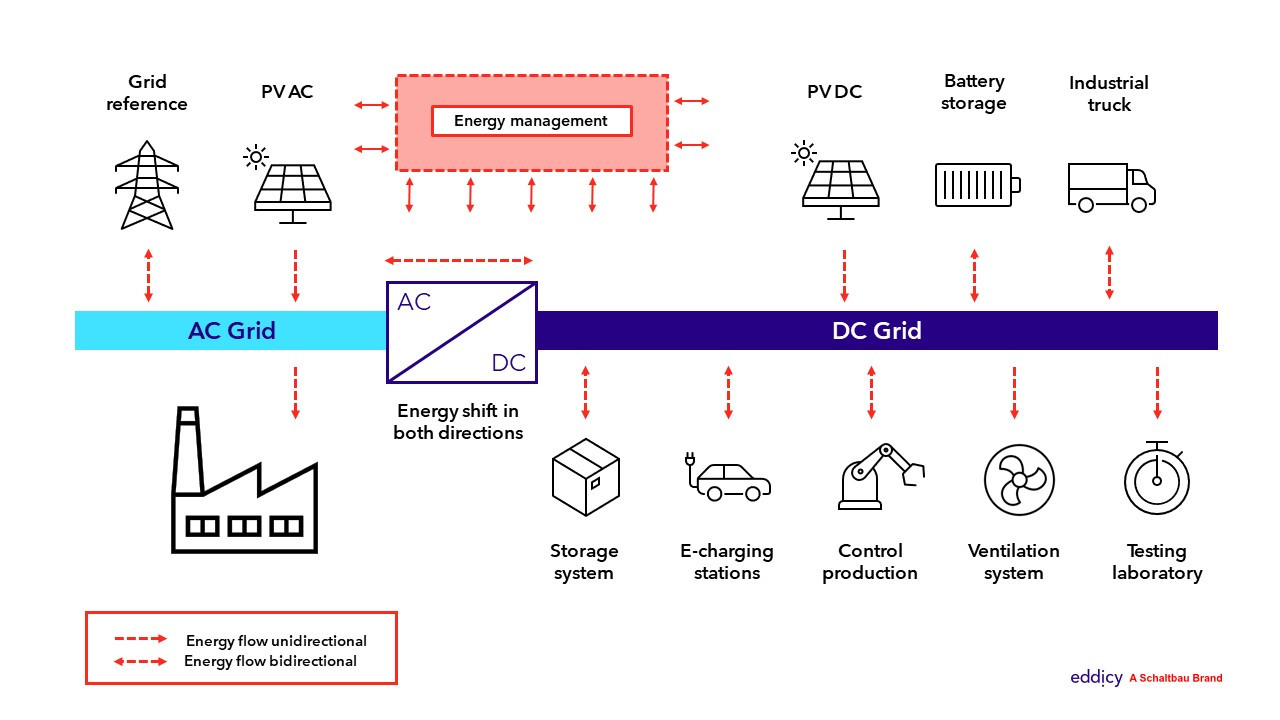
Direct current (DC) microgrids are here to change industry as we know it. By decentralizing power generation and storage as well as reducing the number of energy conversion stages, resulting in minimized energy losses, DC microgrids not only enhance operational efficiency but also empower manufacturers to navigate through fluctuating energy demands with resilience and agility. What’s more, their compatibility with renewable energy sources drives sustainability efforts and fosters eco-friendly practices while reducing dependency on traditional power grids.
DC microgrids leverage unique features such as reduced points of failure, energy storage integration, islanding capability, advanced control systems, distributed generation, and predictive maintenance, to offer uninterrupted power supply. Let’s dive deeper into these benefits and learn more about how DC microgrids are leading us into a new era of innovation and sustainability:
Reduced Points of Failure
DC microgrids significantly reduce points of failure compared to traditional AC systems by simplifying the overall architecture and minimizing conversion stages. With fewer components involved in energy transmission and distribution, the risk of system failures and downtime is greatly reduced, enhancing the reliability of manufacturing operations. This streamlined approach not only improves system efficiency but also lowers maintenance requirements, resulting in cost savings and increased operational uptime.
Energy Storage Integration
DC microgrids are well-suited for integrating energy storage systems such as batteries. By storing excess energy during periods of low demand or high renewable generation, these microgrids can ensure a constant power supply even when renewable sources like solar or wind are not producing electricity.
This integration enhances flexibility and resilience, allowing manufacturing facilities to better manage energy costs and optimize their power usage. Additionally, energy storage integration facilitates smoother integration of intermittent renewable sources, ensuring a reliable and consistent power supply for critical manufacturing processes.
Islanding Capability
One of the key features of DC microgrids is their ability to operate autonomously or in "island mode" when disconnected from the main grid. In the event of a grid outage or disruption, DC microgrids can easily transition to island mode, ensuring uninterrupted power supply to critical loads within the microgrid's network.
This ensures uninterrupted operation of critical equipment and processes, minimizing disruptions and preventing costly downtime. Islanding capabilities enhance the resilience of manufacturing operations, safeguarding against external power disturbances and increasing overall system reliability.
Enhanced Control & Monitoring
DC microgrids feature advanced control and monitoring systems that provide real-time insights into energy generation, consumption, and distribution. Utilizing sophisticated sensors and communication technologies, these systems collect data from various microgrid components, enabling operators to access comprehensive dashboards and visualization tools displaying key performance indicators and energy flows. This visibility empowers operators to identify inefficiencies, detect abnormalities, and optimize energy distribution to meet demand while minimizing waste.
Additionally, DC microgrid controllers employ advanced algorithms and machine learning techniques to analyze incoming data, dynamically adjusting generation levels, prioritizing loads, and implementing demand response strategies. In the event of grid disturbances, the control system swiftly reconfigures the microgrid to maintain stability by autonomously isolating faulty components, rerouting power flows, and implementing load shedding measures to prevent system-wide failures.
Distributed Generation Integration
DC microgrids can easily integrate distributed generation sources such as solar panels or small-scale wind turbines. By leveraging distributed generation, microgrids can diversify their energy sources and reduce reliance on centralized power plants, thereby increasing overall system reliability.
By efficiently harnessing renewable energy at the point of generation, DC microgrids reduce reliance on the traditional grid and enhance the resilience of manufacturing operations against power disruptions.
Distributed energy integration in DC microgrids fosters energy independence and sustainability for manufacturing facilities. By optimizing the use of renewable resources and storage capabilities, these microgrids minimize reliance on fossil fuels and reduce greenhouse gas emissions, aligning with both environmental goals and cost-saving objectives.
This comprehensive approach to distributed energy integration empowers manufacturing facilities to achieve greater energy efficiency, resilience, and sustainability, ultimately driving long-term operational benefits.
Predictive Maintenance
With advanced monitoring and analytics, DC microgrids deploy predictive maintenance strategies by continuously assessing the health and performance of critical components like power electronic units and energy storage systems. Sophisticated algorithms analyze historical data and sensor readings to detect subtle changes, while machine learning enhances predictive capabilities by identifying patterns and correlations. When issues are detected, alerts prompt proactive maintenance actions, allowing operators to address problems before they escalate.
This approach minimizes downtime, lowers repair costs, and extends component lifespan, ensuring continuous operation and reliability for enhanced system performance and customer satisfaction.
As you can see, DC microgrids are transforming the manufacturing landscape. By decentralizing power distribution, integrating renewable energy sources, enabling real-time monitoring and more, DC microgrids not only enhance operational efficiency but also future-proof industry, building resilience against fluctuating energy demands and external disruptions. We’re entering a new era of innovation and sustainability, where industries can thrive while prioritizing environmental responsibility.
Want to read more about DC microgrids and Eddicy solutions that can help meet your needs? Click here to learn more about Schaltbau contactors for microgrids.