
Autonomous-guided vehicles: How higher-voltage, DC microgrids and fast charging are powering the AGV boom
Autonomous vehicles are not just hitting the roads – they are transforming logistics hubs and factories worldwide. Formally a thing of science fiction, manufacturing plants and warehouses are now filled with electric forklifts, autonomous counterbalanced forklift trucks, pallet stackers, and aisle trucks that all seemingly “dance” together in perfect harmony. Today, they illustrate what industrial efficiency, electrification and automation look like in modern intralogistics.
From the first wire-guided truck in the early 1950s onwards, autonomous-guided vehicles (AGVs) that independently transport goods and products from one place to another, along with modern automated mobile robots (AMRs), have been changing how intralogistics solutions of today provide efficiency, flexibility and safety with minimal noise and zero emissions. Now, machine learning, sensor technology and vision systems are making it possible to fully automate many existing processes with AGVs that have traditionally been manual or semi-automated.
Intralogistics automation grows rapidly
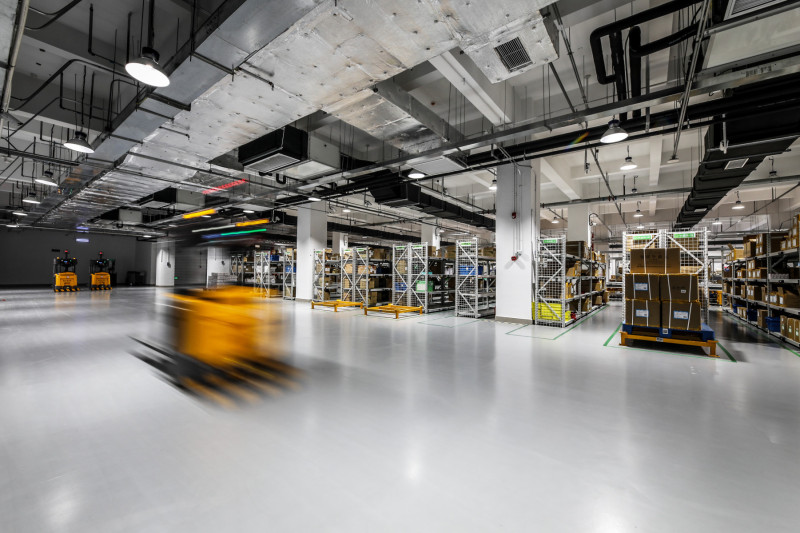 As a result, the automation market is booming, with warehouse automation accelerating with a 10% growth rate per year, according to McKinsey.1 In the quest to boost their competitiveness and throughput, companies are planning to increase their investment in automation significantly over the next five years, reaching 25% of capital spending on average. In logistics and fulfillment, automation is expected to account for more than a third of capital spending, the largest fraction of any sector.2
According to BCG, the business case for doing so is stronger than ever: By implementing advanced logistics solutions, manufacturers can reduce in-plant logistics and warehousing costs by approximately 30%.3 AGVs, in particular, promise manufacturers to tackle the most pressing supply chain problems: skilled labor shortages, improving fulfillment quality and safety, maximizing space utilization and increasing throughput.
Three AGV performance trends to watch
To stay ahead in the automation race, businesses are focusing on innovations that enhance performance, energy efficiency, and safety. While artificial intelligence, machine learning, sensor technology and advancements in computer vision are enabling AGVs and AMRs to become smarter, faster, more flexible and self-organizing, lower energy costs, greater efficiency and safety in intralogistics rest on innovative electromechanical components such as contactors and connectors.
As a company specializing in high-performance direct current switching, connecting and charging, Schaltbau is helping to enable three key developments for the next generation of AGVs, AMRs, and electrified intralogistics:
48V and high-voltage technologies for AGVs: More and more manufacturers of AGVs transition to 48V and are aiming for 80V or even 120V systems to reduce energy losses and improve performance. Higher-voltage systems allow AGVs to transport heavier and bulkier loads or to operate at higher speeds without significantly increasing system weight. Additionally, at 48V and higher, batteries waste less energy as heat, providing longer operation times and faster recharging – critical for AGV uptime. They also charge faster, especially when paired with high-power charging infrastructure.
However, the higher the voltage, insulation, connectors and safety relays need to meet higher demands to guarantee the high safety standards required. Reliable DC contactors and arc suppression also becomes more critical to ensure reliable power control and effective fault protection.
Fully integrated DC microgrids for warehouse energy efficiency:
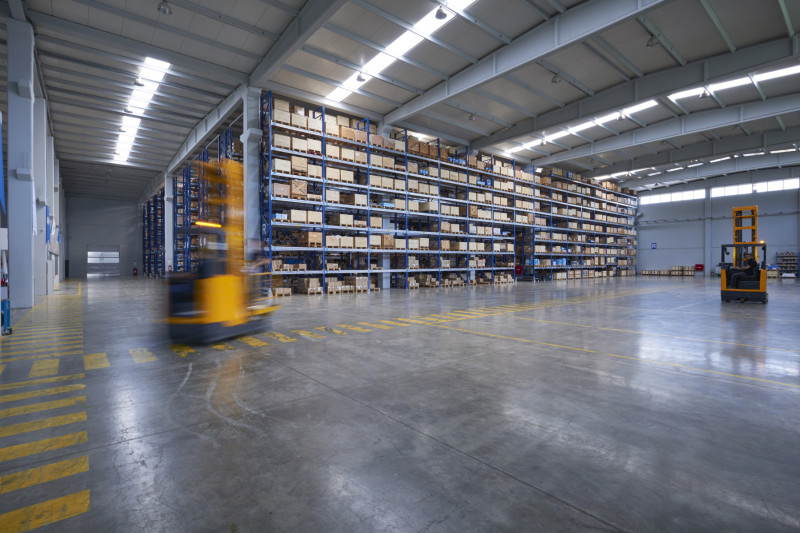 While industrial automation significantly reduces personnel costs, other cost factors enter the spotlight in the quest for more efficiency. One key trend is the integration of high-voltage AGVs with DC microgrids, where power (i.e. from renewable sources, such as solar power and/or local battery storage) can be distributed with minimal conversion losses. This reduces inefficiencies that normally occur when switching between alternate current (AC) and DC and can also improve the overall sustainability in the manufacturing process.
However, to ensure safety, these systems need extra protection, such as bidirectional switching components for energy regeneration or pre-charge circuits to avoid inrush currents damaging electronics. Schaltbau connectors such as the LV connector range, further facilitate the connection of sensors, meters and control devices as well as enable the connection of power sources and energy storage devices to the DC bus.
Fast- and vehicle-to-grid charging: Improvements in battery technology are increasing uptime and have accelerated recharging compared with batteries that were available a few years ago. Wireless charging or automated fast-charging systems ensure uninterrupted operation. Bi-directional charging technology also allows AGVs and AMRs to act as energy storage during idle times, contributing to more grid stability and resilience.
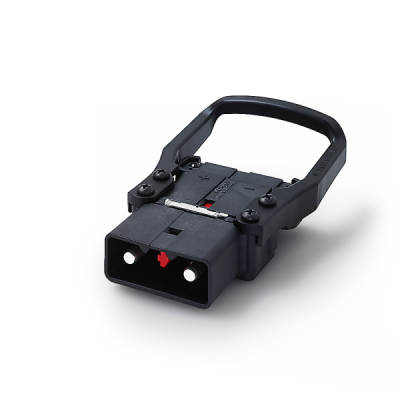 High-current charging connectors, such as the Eddicy LV connector range connect electric AGVs, their batteries, and chargers, allowing for fast charging cycles and reduced downtimes. These connectors safely handle high capacities from160 up to 500 amps with minimal self-heating, extremely low contact resistance and noticeably reduced contact forces for a significantly longer service life.
Maximizing efficiency, cutting costs, and ensuring sustainability are no longer optional in a highly competitive intralogistics and manufacturing landscape. AGVs and AMRs powered by high-voltage systems, DC microgrids, and advanced charging solutions are one crucial way to unlock these benefits. Companies that embrace these innovations will not only improve their bottom line but also gain a competitive edge in an increasingly automated and electrified world.
References
1. McKinsey, Getting warehouse automation right, 2023.
2. Ibid.
3. Boston Consulting Group, Advanced logistics in the factory of the future, 2022.